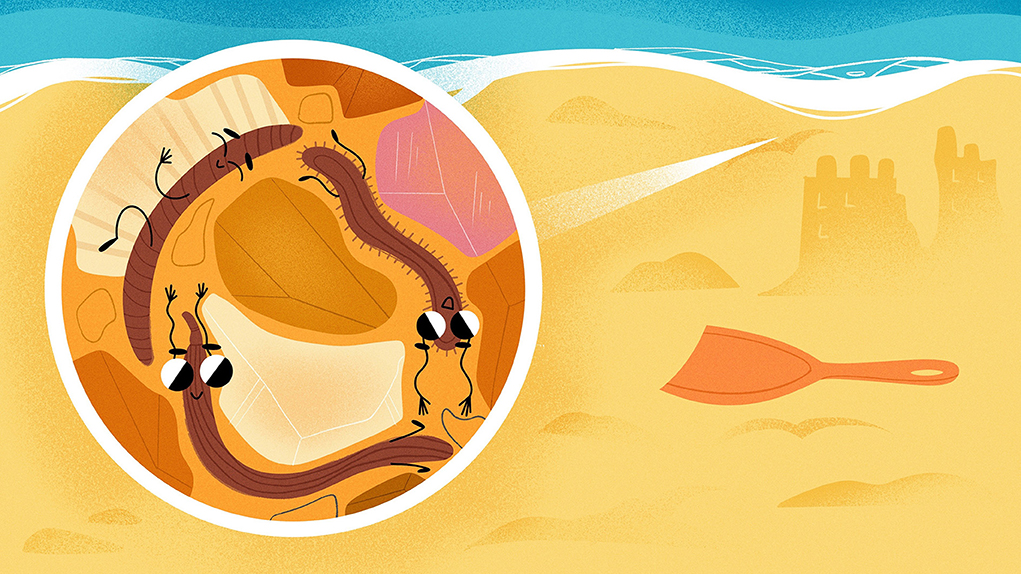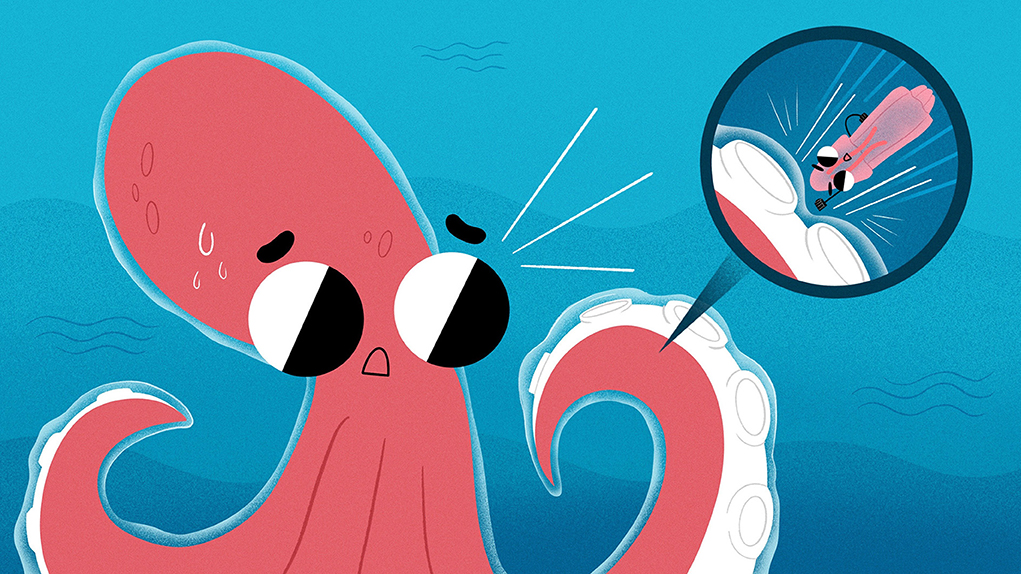
A Small Sensory Change, a Giant Leap In...
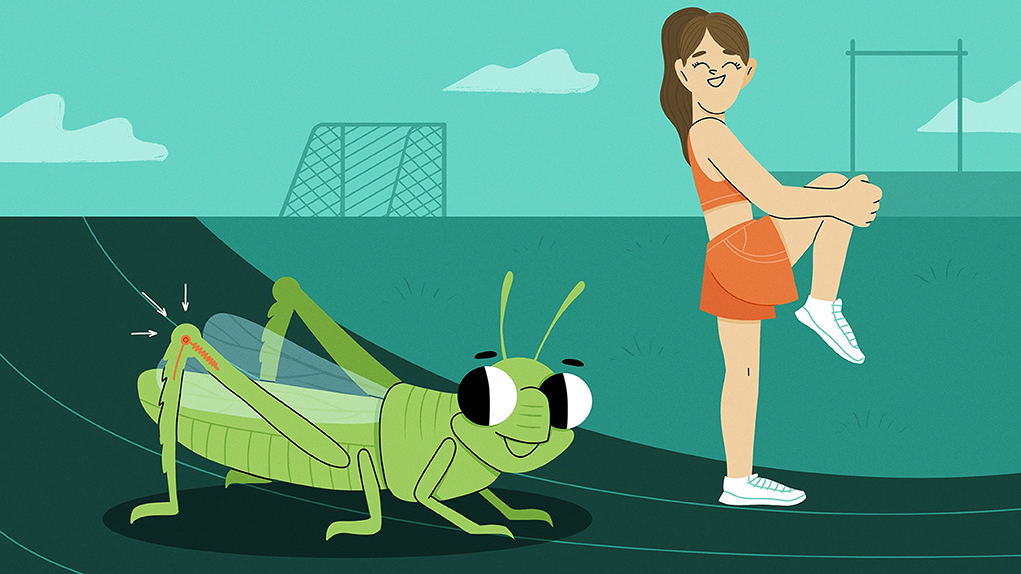
How do new species arise? Usually, scientists explain this by showing how different habitats encourage different...
Young Reviewers
How do new species arise? Usually, scientists explain this by showing how different habitats encourage different...
Climate change and biodiversity loss are among the most pressing challenges facing our world. In response, many people...
Humans often act as if nature exists solely to serve us, but this way of thinking has damaged the Earth systems that...
Grasslands are important ecosystems that support many organisms and help keep soils healthy. Sadly, many grasslands...
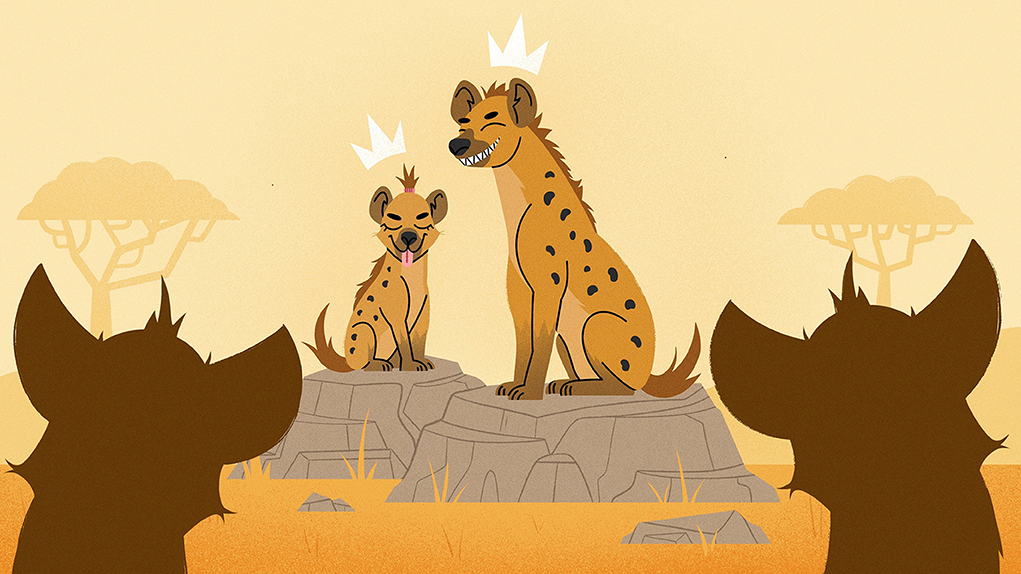
Living in a society is essential for many animals, including humans and honeybees. In a society, individuals work...
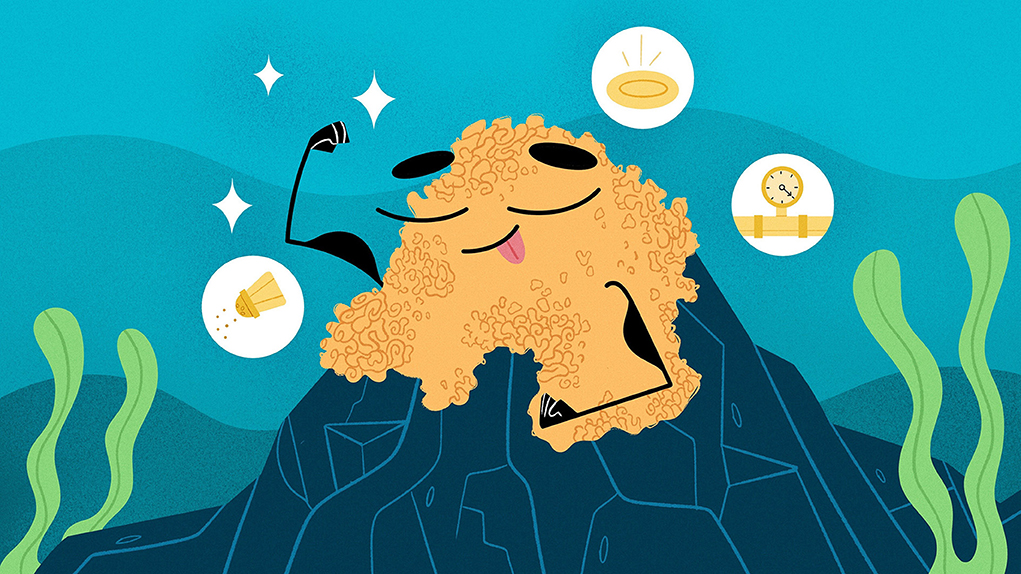
Protists are a highly diverse and abundant group of microbes that majorly influence nutrient availability in aquatic...
Around the world, many amazing plants and animals are disappearing from places they once called home. To address this...
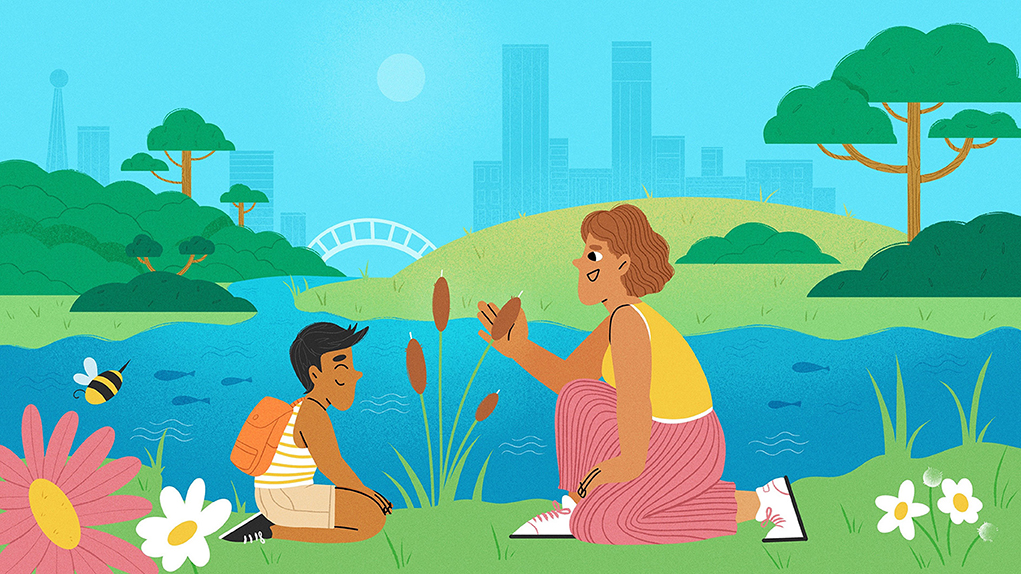
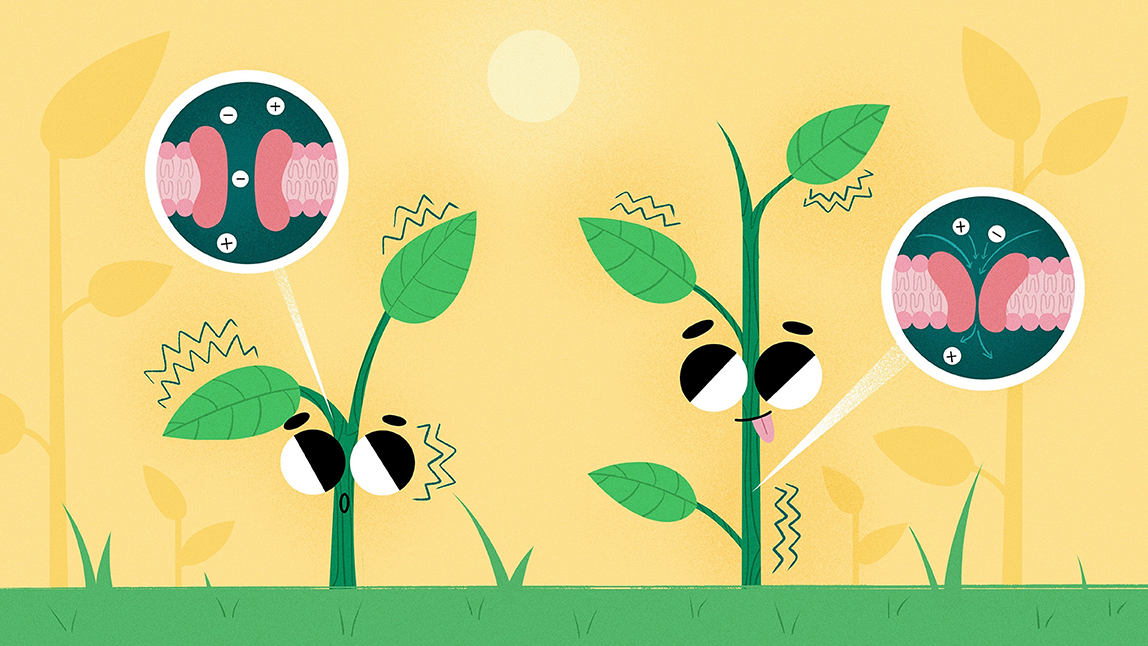
Imagine going on a picnic in the park on a sunny day and not finding a tree to sit under! Or walking home from school...
In 2023, Canada faced its most extreme fire season since 1950, with fires consuming over 15 million hectares—an area...
The capybara, the world’s largest rodent, weighs up to 90 kg and measures over one meter in length. Capybaras feed on...
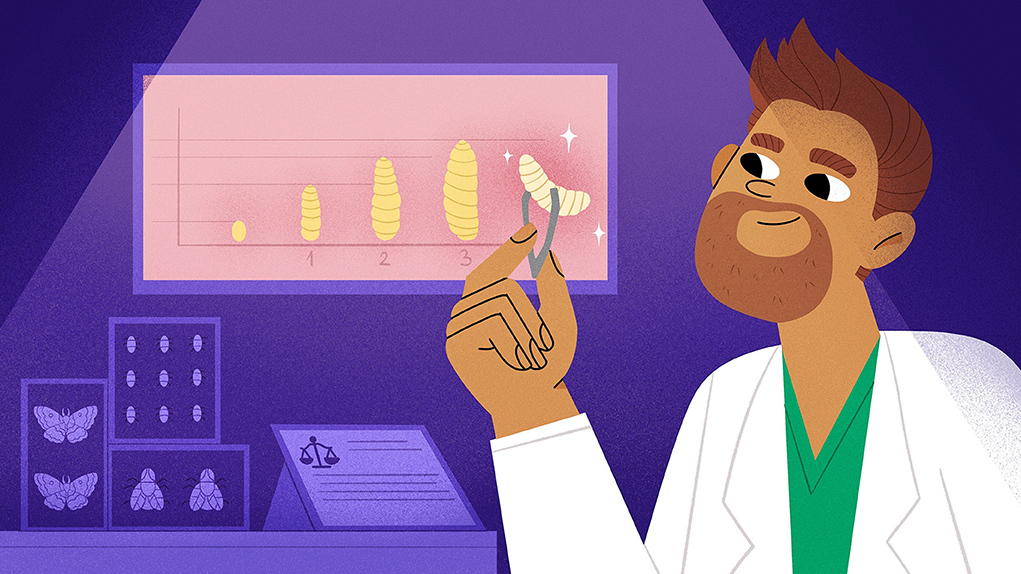
Insects such as beetles, bugs, and the larvae of some moths can damage our fruits, vegetables, and cereals if we do not...
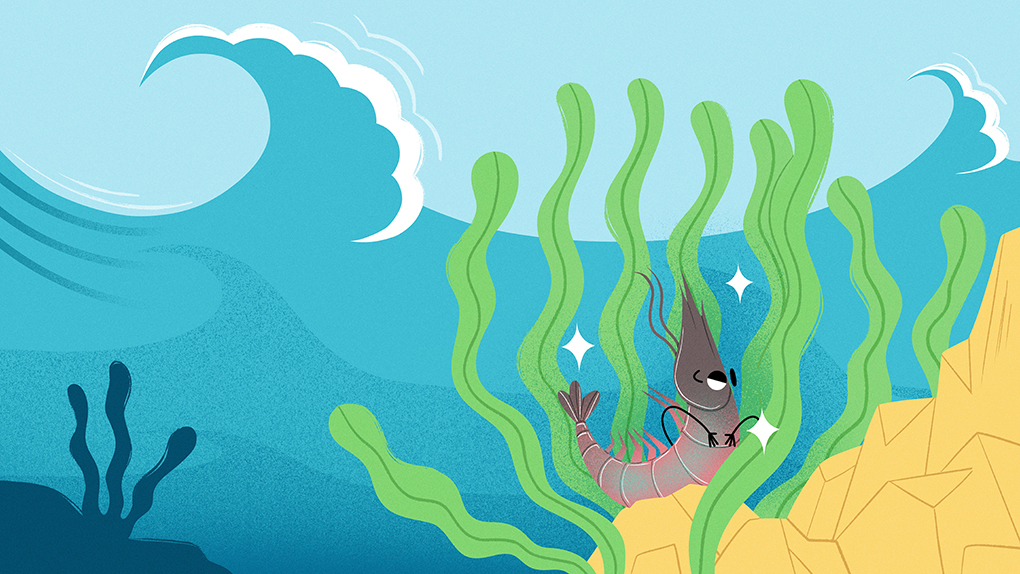
Humpback whales are marine mammals that swim long distances between cold and warm waters every year to feed and have...